
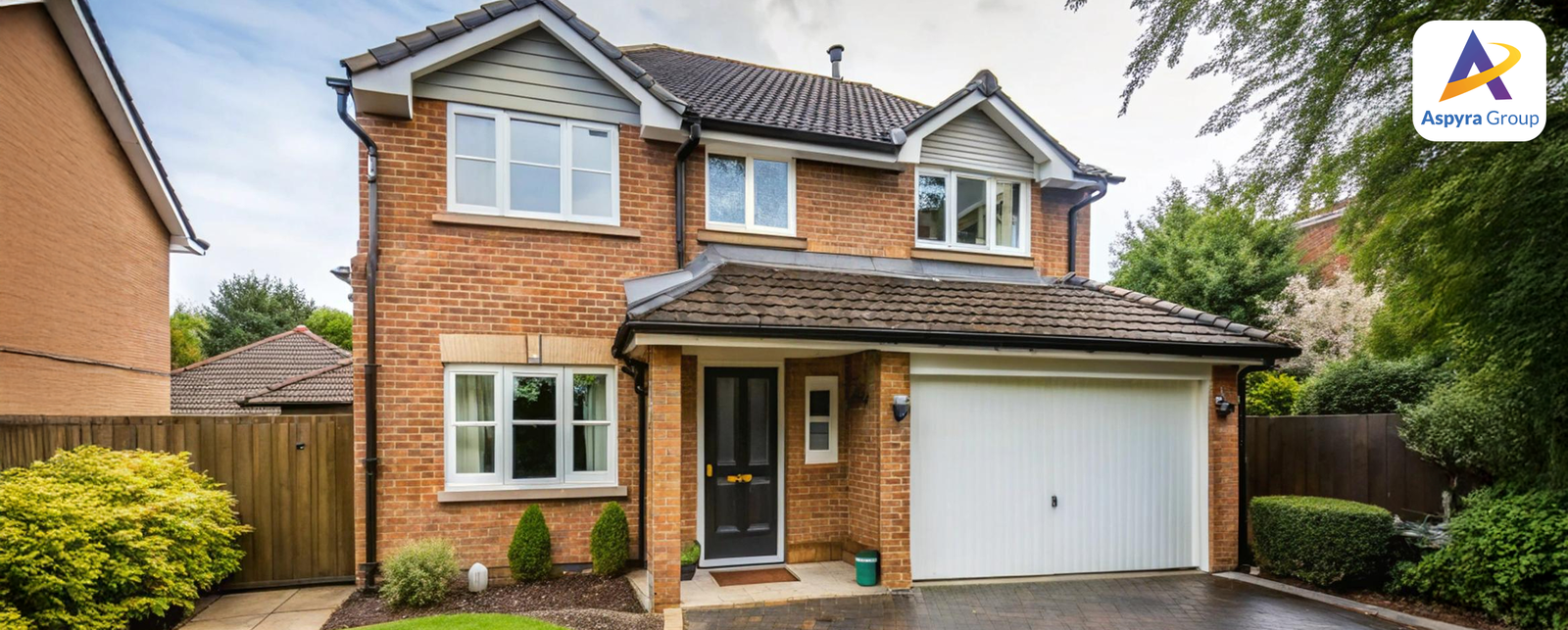
Melbourne is once again emerging as a hotspot for property investment Australia, driven by population growth, infrastructure expansion, and improving rental conditions. As we move into 2026, smart investors are shifting from hype-driven “hotspots” to data-backed suburbs with strong fundamentals—think affordability, rental demand, and long-term capital growth.
This comprehensive guide explores the best suburbs in Melbourne for property investment in 2026, with actionable insights, SEO-rich analysis, and real market trends to help you make confident decisions.
Why Melbourne is a Top Investment Market in 2026
Melbourne’s property market is undergoing a strategic reset, making it highly attractive for investors.
Key reasons to consider Property Investment Melbourne:
- Population boom: Migration continues to drive housing demand
- Low vacancy rates: Rental shortages are pushing yields higher
- Affordability pockets: Compared to Sydney, Melbourne still offers value
- Infrastructure pipeline: Rail upgrades, road expansions, and new estates
- Interest rate stabilization: Boosting investor confidence
Recent data shows investor lending in Victoria reached 36% of total home loans, indicating strong demand for investment property Melbourne opportunities.
What Makes a Suburb Ideal for Investment in 2026?
Before diving into suburb picks, understand the key criteria:
1. Rental Yield + Demand
Suburbs with low vacancy and high tenant demand ensure steady cash flow.
2. Infrastructure & Connectivity
Train lines, highways, and job hubs significantly impact long-term growth.
3. Population Growth Corridors
Areas expanding rapidly tend to deliver strong capital appreciation.
4. Owner-Occupier Appeal
Suburbs popular with families and professionals show more price stability.
Best Suburbs in Melbourne for Property Investment 2026
1. Melton – Affordable Growth Corridor
Melton is one of the most promising suburbs for property investment Australia, especially for beginners.
Why invest in Melton:
- Entry-level prices (~$470K median)
- Strong rental yields (~4.4%)
- Rapid population growth
- Infrastructure upgrades (rail + roads)
Ideal for: High-yield investors and first-time buyers
2. Werribee & Wyndham Vale – Balanced Investment Hotspots
These western suburbs offer a perfect balance between affordability and growth.
Key advantages:
- Median house price ~$620K
- Strong rental demand from families
- Excellent transport (Werribee train line)
- Growing amenities and schools
Ideal for: Long-term investors seeking stability
3. Coburg – Inner-North High Rental Demand Suburb
Coburg is a standout suburb for investment property Melbourne due to its location and rental demand.
Investment highlights:
- High rental yield (~5.1%)
- Strong tenant pool (students + professionals)
- Close to CBD
- Low vacancy rates
Ideal for: Cash flow + capital growth investors
4. Pascoe Vale – Family-Friendly Growth Suburb
Pascoe Vale is gaining traction among investors due to its consistent capital growth.
Why it stands out:
- 15% annual growth recorded
- Strong family demand
- Good schools and parks
- Close proximity to CBD
Ideal for: Capital growth-focused investors
5. Frankston North – Affordable Coastal Investment
One of the most underrated suburbs for property investment Melbourne.
Key features:
- Affordable entry point
- Near beaches (lifestyle appeal)
- Strong rental growth (~4.3%)
- Gateway to Mornington Peninsula
Ideal for: Budget investors seeking coastal exposure
6. Campbellfield – Strategic Location Investment
Campbellfield offers strategic advantages due to its location.
Investment benefits:
- Close to CBD (22 km)
- Strong transport connectivity
- Rental yield ~4.2%
- Industrial + residential demand
Ideal for: Investors targeting long-term growth + accessibility
- Clifton Hill – Premium Inner-City Performer
Clifton Hill is a premium suburb delivering strong returns.
Highlights:
- Unit growth ~18.8% annually
- Village lifestyle appeal
- Close to universities & CBD
- Low vacancy rates
Ideal for: Premium investors seeking long-term appreciation
8. Bittern – Lifestyle + Growth Opportunity
Bittern combines coastal living with strong growth potential.
Why investors love it:
- 10% annual growth
- Large land sizes
- Lifestyle-driven demand
- Spillover from premium suburbs
Ideal for: Lifestyle investors with long-term vision
Emerging Investment Trends in Melbourne (2026)
1. Outer Suburbs Are Leading Growth
Affordable areas like Melton and Werribee are attracting strong demand.
2. Inner-North Remains Resilient
Suburbs like Coburg and Clifton Hill offer consistent rental demand.
3. Coastal Suburbs Are Rising
Frankston North and nearby areas are benefiting from lifestyle migration.
4. Investors Prefer Houses Over Units
Due to concerns about oversupply in apartments.
Expert Tips for Property Investment in Melbourne
Focus on Fundamentals
Avoid hype. Choose suburbs with:
- Strong infrastructure
- Employment access
- Population growth
Buy Below Median Price
Look for properties with value-add potential.
Target Rental Demand
Near universities, hospitals, or transport hubs.
Diversify Portfolio
Mix of high-yield and high-growth suburbs.
Final Thoughts
Melbourne in 2026 presents a unique window of opportunity for investors. With rising demand, improving affordability pockets, and strong rental conditions, investment property Melbourne remains one of the smartest long-term plays in Australia.
Whether you’re targeting:
- High yields → Melton, Werribee
- Capital growth → Pascoe Vale, Clifton Hill
- Affordable entry → Frankston North
There’s a suburb to match every investment strategy.
Conclusion
Choosing the Aspyra Group best suburb for Property Investment Melbourne in 2026 isn’t about chasing trends—it’s about understanding data, demand, and long-term fundamentals.
If you align your strategy with the right suburb, Melbourne can deliver both steady rental income and strong capital growth, making it a top destination for property portfolio investment Australia.