
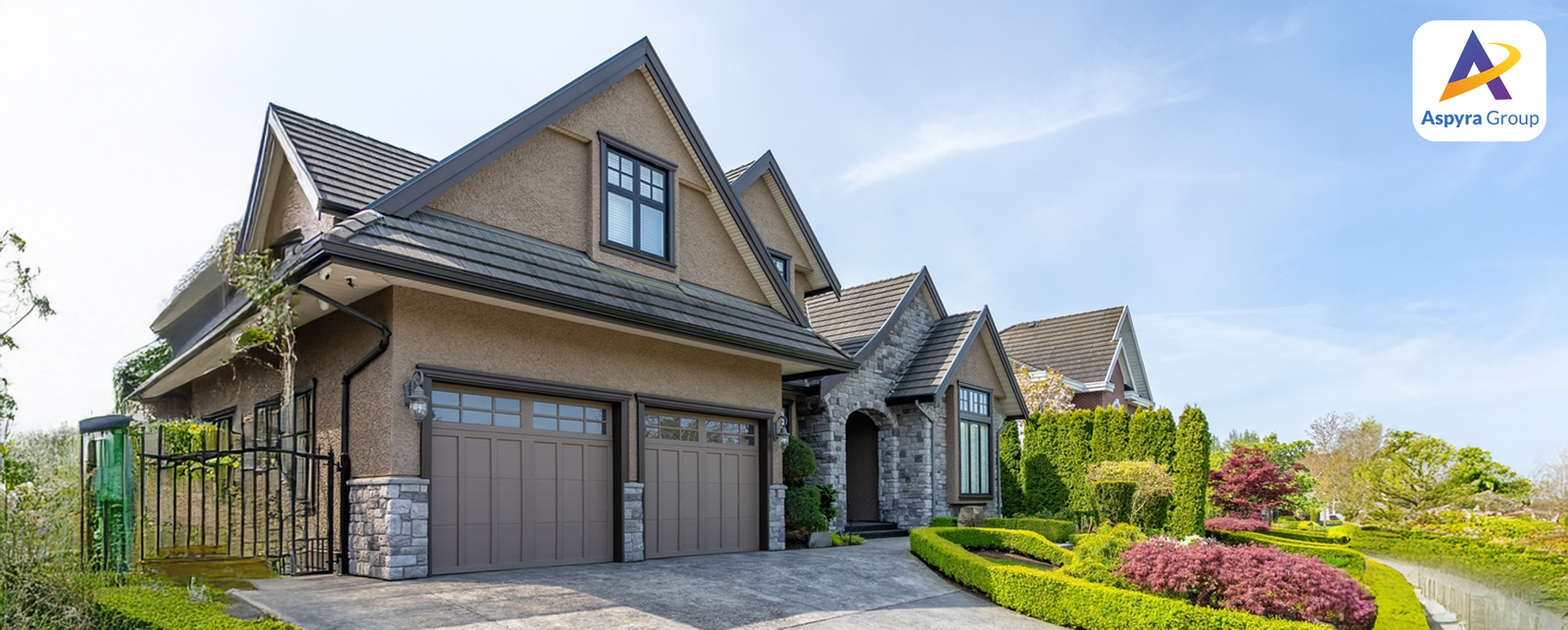
Buying a house and land package in Melbourne sounds like a clean, simple deal. You pick your land, choose your home design, sign on the dotted line, and wait for your new home to be built. Easy, right?
Not quite.
The headline price you see advertised is rarely the full picture. Many Melbourne buyers get caught off guard by costs they never expected — costs that can add tens of thousands of dollars to their final bill. If you’re seriously considering this path to homeownership or investment, understanding the real costs of house and land packages Melbourne has to offer is absolutely essential before you commit.
This guide breaks down every hidden cost you need to know — clearly and honestly.
Why the Advertised Price Is Just the Starting Point
Developers and builders market house and land packages with attractive price tags. A “$550,000 turnkey home” sounds affordable and complete. But “turnkey” doesn’t always mean what buyers think it means.
The base price typically covers the standard inclusions — basic fixtures, standard flooring, and the structural build. Everything beyond that base spec costs extra. And in Melbourne’s outer growth corridors like Werribee, Cranbourne, Clyde North, or Wyndham Vale, “extra” can add up fast.
1. Site Costs — One of the Biggest Surprises
Site costs are the fees charged to prepare your land for construction. These vary dramatically depending on the block and can range from a few thousand dollars to over $30,000 in some cases.
Factors that drive site costs up include:
- Soil type — reactive or unstable soil requires deeper, reinforced foundations
- Slope — a steeply sloping block requires cut and fill work
- Rock — if rock is encountered during excavation, costs skyrocket
- Service connections — connecting to water, sewerage, gas, and electricity all carry individual fees
Builders often quote a “site cost allowance” of $10,000–$15,000 in their base packages, but the real figure after a soil test may be significantly higher. Always ask for a fixed site cost after the soil and contour report is completed — not an estimate.
2. Developer Levies and Land Registration Fees
When buying land in a new estate, there are often developer-imposed levies that aren’t clearly advertised. These can include:
- Landscaping contributions — some estates require you to landscape your front garden within 12 months using estate-approved styles
- Community infrastructure levies — contributions toward parks, roads, and community facilities
- Covenant fees — some estates enforce design guidelines (covenants) that may require upgrades to your façade, fencing, or driveway
Land registration is also a cost buyers frequently overlook. If you’re buying land that hasn’t been titled yet (also known as an off-the-plan property in Melbourne), you may wait 6–24 months for title. During that time, circumstances change — and your finance pre-approval may expire, requiring new applications and fees.
3. Stamp Duty — Don’t Underestimate It
Stamp duty is one of the largest upfront costs in any property purchase. In Victoria, stamp duty is calculated on the land value at settlement, not the total package price.
However, the savings aren’t always as dramatic as they appear. Many buyers assume they’ll pay minimal stamp duty on a house and land package, but if the land is valued higher than expected, the duty can still run to several thousand dollars.
First home buyers may be eligible for concessions or exemptions under the First Home Owner Grant (FHOG) scheme in Victoria — worth up to $10,000 for new builds. Make sure you understand your eligibility before budgeting.
4. Upgrades That Feel Non-Optional
This is where a lot of buyers feel the pressure most.
The display home you walked through? Almost everything in it is an upgrade. The stone benchtops, the ducted heating, the 2550mm ceiling height, the tiling to ceiling in the ensuite — none of that is in the base package.
Builders run upgrade presentations at the colour appointment stage. You’ll sit with a sales consultant and be shown options. In that moment, saying no to things that feel standard feels uncomfortable. Many buyers leave that appointment having added $15,000–$40,000 in extras they hadn’t planned for.
Before you reach that appointment, make a firm list of what you need versus what you want, and set a hard budget cap for upgrades.
5. Landscaping, Fencing, and Driveways
Your base package almost never includes:
- Front or rear landscaping
- Fencing on side or rear boundaries
- A concrete driveway beyond a basic crossover
- Letterbox, clothesline, or garden beds
In many Melbourne growth corridors, estate covenants require landscaping to be completed within 12 months of occupancy. Budget at least $8,000–$20,000 for basic front and rear landscaping, fencing, and a driveway — and significantly more if you want it done properly.
6. Flooring, Window Coverings, and Appliances
Many base packages include only partial flooring — carpet to bedrooms and tiles to wet areas, but nothing to living and dining zones. Upgrading or adding flooring across the main living areas can cost $5,000–$15,000 depending on material and square meterage.
Window coverings (blinds, curtains) are almost never included. A full set of blockout blinds for a standard 4-bedroom home can run $3,000–$6,000.
Appliances vary by builder. Always confirm what’s included — dishwasher, rangehood, cooktop, and oven should all be specified clearly in the contract.
7. Finance Costs and Construction Loan Complexity
A construction loan works differently from a standard home loan. You draw down in stages (called “progress payments”) as construction milestones are met. During construction, you typically pay interest only on the amount drawn.
However, the complexity adds costs:
- Valuation fees at each progress payment stage
- Potential lender’s mortgage insurance (LMI) if your deposit is under 20%
- Risk of interest rate changes during the construction period
- Loan re-assessment if settlement of land is delayed
It’s worth speaking with a mortgage broker experienced in construction finance before you commit to any package.
8. Comparing Total Costs: House & Land vs Established Homes
Many buyers ask whether a house and land package is actually cheaper than buying an existing property. When you factor in all these hidden costs, the comparison becomes much closer.
A house & land package vs established home analysis needs to account for stamp duty differences, construction timelines, hidden site costs, and the rent you may need to pay while waiting for your build to complete. In some cases, buying an established property and renovating can be more cost-effective — and you know exactly what you’re getting.
9. Choosing the Right Builder Matters More Than You Think
Not all builders price their packages the same way. Some builders offer genuinely competitive inclusions. Others lead with a low price and build their margin through upgrade upsells and site cost revisions.
When selecting a builder for your house & land package, ask specifically:
- What is included in the base specification?
- Is the site cost fixed or estimated?
- What does the colour appointment process look like?
- What is the construction timeline guarantee?
- What are the penalties for construction delays?
Getting answers to these questions in writing — before you sign — can save significant stress and cost.
10. Ongoing Investment Considerations
If you’re purchasing a house and land package as an investment rather than a home to live in, the hidden costs matter even more. Your rental income won’t start until the build is complete, meaning you’re carrying holding costs (mortgage, rates, insurance) from land settlement without any offset.
For those building a property portfolio management strategy around new builds, cash flow planning during the construction period is critical. Factor in 12–18 months of carrying costs from the time you settle on land to when a tenant first moves in.
Property Investment in Melbourne continues to attract buyers because of strong population growth, infrastructure investment, and long-term capital growth in outer suburban corridors. But that doesn’t mean every house and land deal is a good deal — particularly when hidden costs erode your returns.
If you’re considering Real Estate Investment in Australia more broadly, house and land packages can be part of a solid strategy — but only when you go in with eyes open.
House & Land Packages in Melbourne remain one of the most popular paths to homeownership in the city’s growth suburbs, and for good reason. But the gap between the advertised price and the actual cost can be substantial.
Quick Summary: Hidden Costs to Budget For
| Cost Item | Estimated Range |
| Site costs | $5,000 – $30,000+ |
| Upgrades (colour appointment) | $10,000 – $40,000 |
| Landscaping & fencing | $8,000 – $20,000 |
| Flooring & window coverings | $5,000 – $15,000 |
| Driveway | $3,000 – $8,000 |
| Stamp duty (varies) | $2,000 – $15,000+ |
| Finance/construction loan costs | $1,500 – $5,000 |
| Developer levies & contributions | $1,000 – $5,000 |
Frequently Asked Questions
Q: Are site costs always included in a house and land package price?
No. Most builders include only a site cost “allowance” in their base price. The real figure is determined after a soil and contour survey. Always request a fixed site cost before signing your building contract.
Q: What does “turnkey” actually mean in Melbourne house and land packages?
Turnkey means the home is ready to move into — including flooring, appliances, landscaping, and window coverings. However, the definition varies between builders. Always ask for a full inclusions list in writing before assuming anything is covered.
Q: Can I negotiate on upgrades with my builder?
Yes, often. Builders want your business. Upgrade packages, appliance inclusions, and even façade upgrades can sometimes be negotiated — especially toward the end of financial year or if the builder has unsold land to move. Don’t accept the first offer at your colour appointment.
Q: How long does it take to build a house and land package in Melbourne?
Most standard builds in Melbourne’s outer growth suburbs take 12–20 months from land settlement to handover, though delays due to weather, council approvals, and supply chain issues are common. Factor this timeline into your financial planning.
Q: Do first home buyers get any concessions on house and land packages in Victoria?
Yes. First home buyers in Victoria may be eligible for the First Home Owner Grant of up to $10,000 on new builds, plus stamp duty concessions or exemptions depending on the property value. Eligibility criteria apply, so confirm with your solicitor or conveyancer.
Understanding the full costs of house and land packages Melbourne buyers face is the difference between a smooth purchase and a financial headache. Go in informed, ask the hard questions, and always budget a 10–15% buffer above your expected total. Your future self will thank you.