
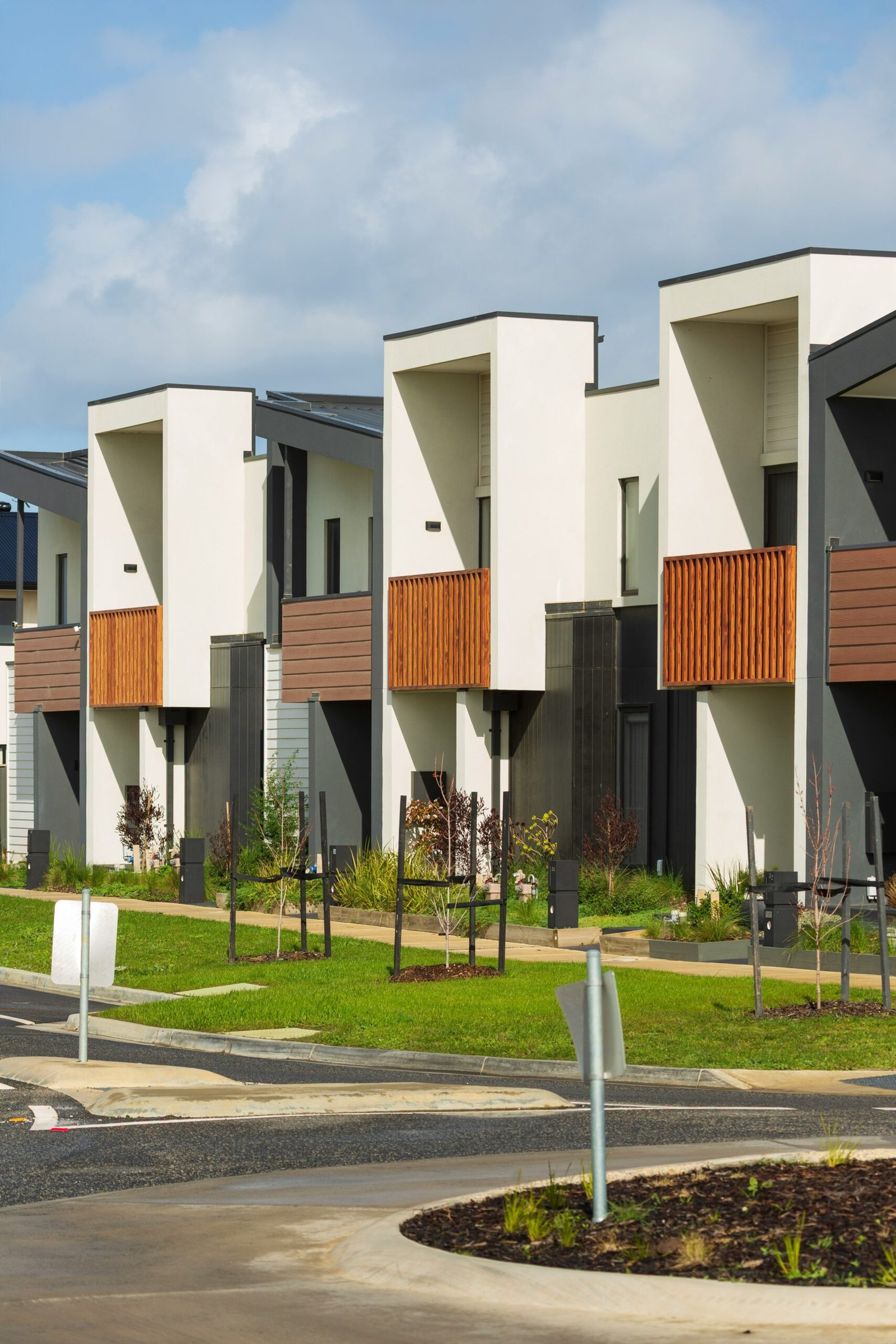
Entering the world of property investment is a thrilling venture, but the first question that stops most investors in their tracks is always about the “barrier to entry.” In 2026, the Victorian capital will remain one of the most sought-after markets in Australia. However, calculating exactly how much cash you need to buy property in Melbourne can be a bit of a moving target.
Between shifting interest rates, government grants, and various lending criteria, the deposit you need isn’t a single fixed number. This guide is designed to break down the financial architecture of a Melbourne investment so you can move from “window shopping” to signing a contract with confidence.
Decoding the Deposit: How Much Cash is Actually Required?
When you start your journey toward real estate investment in Melbourne, the “20% rule” is the most common figure you’ll hear. While that is the gold standard for avoiding extra costs, it is certainly not the only way to get your foot in the door.
The 20% Benchmark and Avoiding LMI
The traditional 20% deposit is often the goal because it allows you to avoid Lender’s Mortgage Insurance (LMI). On a median-priced Melbourne property of $900,000, this would mean a $180,000 deposit. While this is a significant sum, it secures you the most competitive interest rates and immediate equity. To get an idea of whether you are able to achieve this aim, you can check by looking through a mortgage broker to estimate your present savings and borrowing potential.
Low Deposit Options (5% to 10%)
Many first-time investors and residents utilize low-deposit schemes. Some lenders still have 5% or 10% deposits in 2026. It is a common trick with those who want to buy property in Melbourne earlier rather than later to escape the increase in the price. But you should also consider the LMI cost that may increase your loan by thousands. A broker can assist you to consider the expense of the insurance against the possible capital growth you may be forfeiting by waiting.
Utilizing Equity Instead of Cash
In case you already have a home, you may not even require a cash deposit. You can use the equity value (usable) in your existing property to finance the deposit and purchasing expenses of a new investment. This is a core strategy in professional real estate investment. It allows you to grow a portfolio without draining your liquid savings, provided your rental income can cover the increased debt.
Understanding Hidden Costs and Market Entry Points
The deposit is only one part of the equation. In Victoria, the “upfront costs” can catch an unprepared investor by surprise. You need to budget for the “Total Entry Cost,” not just the percentage of the property price.
Stamp Duty and Transfer Fees
Victoria’s stamp duty is a significant consideration. For an investment property, you are looking at roughly 5.5% of the purchase price in taxes and fees. On a $600,000 investment, that’s an additional $33,000 you need on top of your deposit. However, in 2026, there are often concessions for home and land packages in Melbourne, particularly in growth corridors like the West or South-East, which can significantly lower your tax burden.
Entry Points: Apartments vs. Houses vs. Land
Your required deposit depends heavily on what you are buying. Entry-level apartments in suburbs like Footscray or Preston might only require a $50,000 deposit (at 10%). Conversely, established houses in the “middle ring” will require much more. Many savvy investors are currently looking at home and land packages because they offer a “locked-in” price and significant depreciation benefits, which helps with cash flow during the early years of the investment.
Professional Fees and Buffer Zones
Never invest your last dollar. You need a “buffer” for building and pest inspections, legal conveyancing, and initial maintenance. Furthermore, once the property is yours, you will need to engage real estate property management services. An additional amount of money to fund your investment would be a budget of between an extra $5,000 and $10,000 in addition to what you have deposited in order to set up your investment life with no stress on your pocket.
Maximizing Your Investment Potential in 2026
Securing the property is just the beginning. In order to ensure that your deposit works as hard as it can, you should consider long-term management and yield.
The Importance of a Mortgage Broker Near Me
A local expert is your best asset. When you find a mortgage broker, they do more than just find a rate; they structure your loan for tax effectiveness. They can explain the difference between “interest-only” and “principal and interest” loans and how each affects your ability to save for your next deposit. In a fluctuating market, their access to “val-ex” (valuation exchange) data can be the difference between a loan approval and a rejection.
Strategic Real Estate Property Management
A vacant property is an expensive property. Professional real estate property management ensures that your investment is tenanted by high-quality residents at market-leading rates. In Melbourne’s 2026 rental market, a good manager pays for themselves by reducing turnover and ensuring your asset is maintained to the highest standards, which in turn protects the equity you worked so hard to save for.
Planning for the “Big Picture”
Successful real estate investment is rarely about a single house; it’s about a long-term plan. Whether you are starting with a small apartment or one of the many home and land packages, your deposit is the fuel for a larger wealth-creation engine. Early knowledge of your figures and having a team of experts that surrounds you can help you sail through the Melbourne market clearly and with precision.
Conclusion
How much do you really need in deposit? Although a 20% deposit is the safest, most investors are already going into the Melbourne market with a 5-10% deposit plus expenses. It is more about the size of your cash and not the amount of your cash.
With the help of a specialist mortgage broker in my area and concentrating on high-growth opportunities such as home and land packages in Melbourne, you can make your savings a high-performing asset.
Are you looking to invest in an established inner-city apartment, or are the growth-corridor home and land packages more your style?